
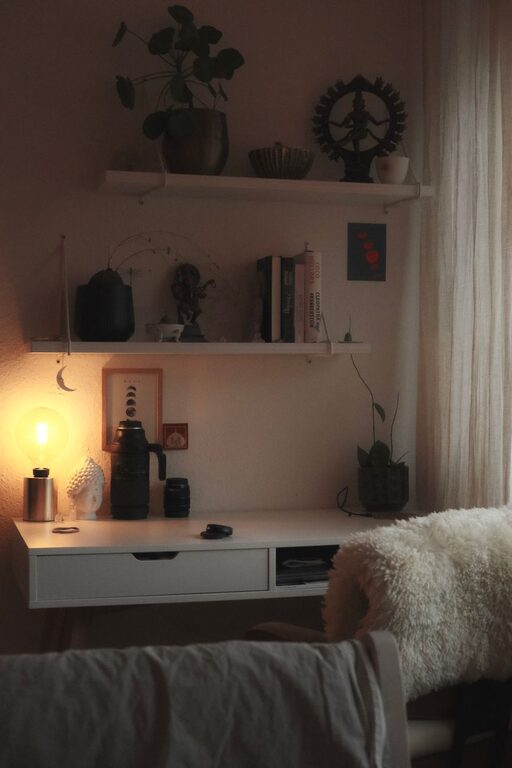
Creating a home office space that feels cozy yet functional can transform your work-from-home routine. A well-designed workspace not only boosts productivity but also supports your well-being. Whether you have a dedicated room or a small corner, these tips will help you craft a home office that meets your needs and feels inviting.
1. Choose the Right Location
The location of your home office sets the foundation for comfort and focus.
– Find a Quiet Spot: Select a place with minimal distractions and noise. A spare room, a nook by a window, or even a part of your living room can work.
– Consider Natural Light: Position your desk near a window if possible. Natural daylight enhances mood, reduces eye strain, and creates a refreshing environment.
– Think About Privacy: If you share your home, choose a space where you can close a door or create a barrier to reduce interruptions.
2. Invest in a Comfortable Chair and Desk
Comfort is key for long working hours.
– Ergonomic Chair: Choose a chair that supports your back and promotes good posture. Adjustable height and lumbar support features are beneficial.
– Appropriate Desk Height: Your desk should allow your arms to rest comfortably with elbows at roughly a 90-degree angle. Ensure there is enough workspace for your computer, documents, and other essentials.
– Consider Standing Options: If possible, try a sit-stand desk or add a standing desk converter to alternate between sitting and standing.
3. Maximize Organization and Storage
A clutter-free space helps maintain focus and reduces stress.
– Use Shelving and Cabinets: Shelves enable vertical storage, saving floor space. Cabinets or drawers help hide clutter.
– Desk Organizers: Pen holders, file trays, and drawer dividers keep small items in order.
– Cable Management: Use cable clips, sleeves, or under-desk trays to keep cords neat and out of sight.
4. Personalize Your Space for Comfort
Adding personal touches can make your office feel welcoming.
– Decorate Thoughtfully: Use artwork, photos, or motivational quotes that inspire you.
– Add Soft Textiles: A cozy rug or cushions can add warmth and texture.
– Incorporate Plants: Indoor plants improve air quality and bring a touch of nature inside, which can reduce stress.
5. Optimize Lighting
Proper lighting reduces eye strain and sets the mood.
– Layer Your Lighting: Combine natural light, overhead lights, and task lighting to create balanced illumination.
– Desk Lamps: Adjustable desk lamps with warm light are great for focused tasks.
– Avoid Glare: Position screens and light sources to minimize glare and reflections.
6. Use Technology to Enhance Efficiency
The right technology can streamline your work.
– Reliable Internet: Ensure your workspace has a strong Wi-Fi signal or use an Ethernet cable for stable connection.
– Peripherals: Consider a comfortable keyboard and mouse, a good headset for calls, and a monitor if you work on a laptop.
– Charging Stations: Keep chargers and batteries organized and accessible to avoid downtime.
7. Establish Boundaries and Routine
Creating a clear boundary between work and home life is important.
– Set Work Hours: Define when you start and end your workday to avoid burnout.
– Signage or Signals: If you share your space, use a sign or indicator to let others know when you are working.
– Take Breaks: Arrange your area for easy movement and consider stepping outside or doing stretches regularly.
8. Keep It Flexible
Your needs may change over time, so design with adaptability in mind.
– Modular Furniture: Pieces that can be rearranged or repurposed offer flexibility.
– Multi-use Spaces: Your home office can double as a reading nook or hobby area when not in use.
– Easy Upgrades: Leave room for adding new technology or storage as necessary.
—
Designing a cozy and functional home office is about balancing comfort, organization, and personalization. By focusing on these key areas, you can create a space where work feels less like a chore and more like a natural part of your day. Whether you’re new to working from home or looking to refresh your current setup, these tips can help you craft an environment that supports your productivity and well-being.