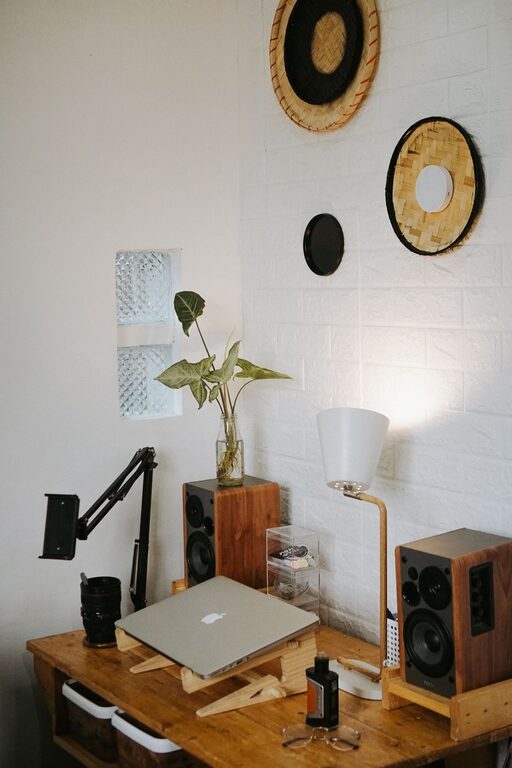

Creating a cozy and inviting home workspace can greatly improve your productivity and overall well-being. When your workspace feels comfortable and personalized, it becomes easier to focus, stay motivated, and enjoy the time you spend working from home. Whether you have a dedicated room or just a small corner, these tips will help you design a space that feels both functional and welcoming.
Choose the Right Location
Start by selecting the best spot in your home for your workspace. Ideally, it should be a quiet area with good natural light. A room with a window helps boost your mood and energy by connecting you to the outdoors. If space is limited, a corner in your living room or bedroom can work too—just make sure it’s away from distractions.
Invest in Comfortable Furniture
Comfort is key when setting up a home office. Choose a sturdy desk and an ergonomic chair that supports good posture. Spending long hours at your desk can take a toll on your body, so prioritize furniture that helps prevent discomfort and strain.
– Desk: Look for one with enough surface area for your computer, notebooks, and other essentials.
– Chair: Opt for an adjustable chair with lumbar support.
– Additional Seating: If space allows, add a cozy chair or small sofa for reading or brainstorming.
Personalize Your Space
Adding personal touches can help your workspace feel inviting. Decorate with items that inspire you or bring you joy.
– Artwork or Photos: Hang favorite images or artwork on the walls.
– Plants: Greenery adds life and improves air quality.
– Decorative Items: Use candles, meaningful trinkets, or a favorite mug to brighten the area.
Just be careful not to overcrowd your desk; keep it tidy and clutter-free.
Optimize Lighting
Good lighting is essential, especially if you work late or during darker months. Aim for a combination of natural and artificial lighting.
– Natural Light: Position your desk near a window when possible.
– Task Lighting: Use a desk lamp with adjustable brightness for focused work.
– Ambient Lighting: Soft overhead lights or floor lamps create a warm atmosphere.
Avoid harsh, direct lighting that causes glare on your screen.
Keep Your Workspace Organized
A clean, organized space helps reduce stress and allows you to focus better.
– Storage Solutions: Use shelves, drawers, or filing cabinets to store papers and supplies.
– Desk Organizers: Trays, pen holders, or cable management clips keep your desk neat.
– Routine Maintenance: Spend a few minutes at the end of each day tidying up your workspace.
Organization not only looks better but also saves time searching for important items.
Add Comfort with Textiles and Accessories
Soft textiles and cozy accessories can boost comfort and create a warm atmosphere.
– Rugs: Place a rug under your desk or chair to add warmth and reduce noise.
– Throw Blankets or Cushions: Keep a cushion or small blanket nearby for added comfort.
– Footrests: If your feet don’t reach the floor comfortably, use a footrest to support them.
These elements help make your workspace more inviting and pleasant to be in throughout the day.
Minimize Distractions
While decorating and personalizing your workspace is important, it’s equally vital to keep distractions to a minimum.
– Noise Control: Use noise-cancelling headphones or white noise machines if needed.
– Limit Electronic Interruptions: Turn off unnecessary notifications or keep your phone out of sight while working.
– Defined Boundaries: If you share your home, set boundaries with family members about your work hours.
Creating a focused environment helps you stay productive and reduces stress.
Incorporate Inspiring Elements
Sometimes, motivation needs a little extra boost. Include elements that inspire creativity and focus.
– Vision Board: Pin important goals or motivational quotes nearby.
– Books or Magazines: Keep inspiring reading materials within reach.
– Creative Supplies: If your work involves brainstorming, have notebooks, markers, or whiteboards ready.
Having these tools visible encourages regular reflection and idea generation.
Maintain Proper Air Quality and Temperature
A comfortable room temperature and fresh air help maintain concentration and comfort.
– Ventilation: Open windows regularly or use an air purifier.
– Temperature Control: Use fans, heaters, or air conditioning to keep your workspace comfortable year-round.
Comfortable air quality and temperature support both physical health and productivity.
Final Thoughts
Creating a cozy and inviting home workspace doesn’t have to be complicated. By choosing the right location, investing in comfortable furniture, personalizing your environment, and focusing on lighting and organization, you can build a space that supports both your work and well-being. Remember, your home workspace is a reflection of you—make it a place where you enjoy spending time and can do your best work.